
Keeping windows shut through the colder months feels like the responsible move, but it often does more harm than good for indoor air quality. Stale air gets trapped inside without fresh oxygen circulating, and pollutants build up steadily as a result. Homes throughout Corinth, from the neighborhoods near Lake Sharon to the newer developments off FM 2181, see this play out every winter as humidity climbs and conditions become more favorable for mold growth. Common culprits like dust mites and pet dander thrive in this same stagnant environment. Proper ventilation is the fix, and there’s more to it than simply cracking a window.
Why Closed Windows Can Worsen Indoor Air Quality
Closed windows trap stale air inside a home, and that stagnant air allows pollutants to accumulate steadily over time. Without fresh air circulating, oxygen exchange slows considerably, and a home’s air quality declines in ways that aren’t always obvious right away.
Humidity levels tend to rise under these conditions as well, creating an environment where mold and dust mites thrive. Working in homes across Corinth, we consistently see this pattern in properties built or sealed for energy efficiency, where the same airtight construction that saves on utility bills also limits the natural airflow a home needs. Professional indoor air quality solutions address this tradeoff directly, restoring a healthier balance without sacrificing efficiency.
Common Indoor Pollutants You Might Not Know About
Outdoor air often gets blamed for poor air quality, but indoor environments can harbor pollutants that are just as harmful, sometimes more so given how much time is spent inside.
- Volatile Organic Compounds (VOCs): Found in paints, cleaning products, and furniture, these compounds can release fumes that affect respiratory health over time.
- Dust Mites: These microscopic pests thrive in bedding and upholstery, frequently contributing to allergy symptoms.
- Mold Spores: Often hidden in damp, poorly ventilated areas, mold can trigger both respiratory issues and allergic reactions.
- Pet Dander: Skin flakes from household pets circulate through the air and can cause discomfort for sensitive individuals.
Recognizing these pollutants is the first step toward addressing them, and a professional air duct cleaning service can remove many of these contaminants from the ductwork before they circulate throughout the home.
Understanding Humidity’s Role in Indoor Air Quality
Balanced humidity plays a bigger role in indoor air quality than most homeowners realize. A range between 30% and 50% supports both comfort and the long-term condition of a home’s furnishings and structure, while humidity outside that range creates conditions favorable to mold and other pollutants.
In our service calls throughout Corinth, humidity issues are one of the most common contributors to declining indoor air quality, particularly in homes that stay sealed tight through the winter months. A professional energy efficiency audit can identify exactly where excess humidity is originating and what a home needs to bring it back into a healthy range.
How Ventilation Improves Indoor Air Quality
Proper ventilation plays an essential role in maintaining healthy indoor air, helping circulate fresh air throughout a home while removing the pollutants that accumulate when windows stay shut.
Good ventilation reduces allergens like dust, pollen, and pet dander, making the air noticeably easier to breathe. It also helps eliminate lingering odors from cooking, pets, and everyday household activity. Controlling humidity is another key benefit, since proper airflow helps prevent the excess moisture that leads to mold growth. A well-ventilated space also tends to feel more comfortable overall, supporting a more consistent temperature throughout the home.
Effective Ways to Enhance Indoor Air Quality Indoors
A handful of consistent strategies make a real difference in indoor air quality throughout a Corinth winter. Investing in a quality air purification system helps capture pollutants and allergens before they circulate through the home, and changing HVAC filters on a regular schedule prevents the airflow restriction that comes with a clogged filter.
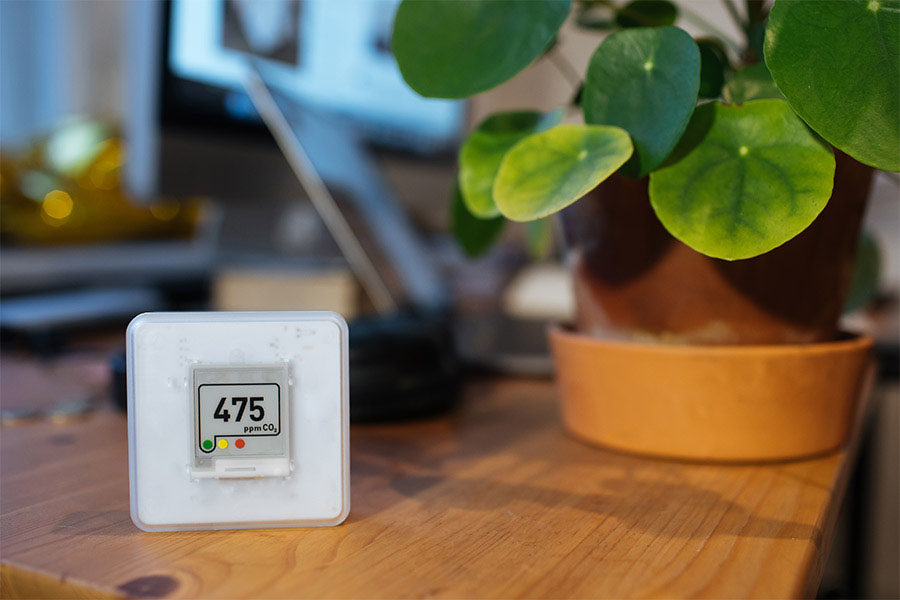
Using low-VOC or non-toxic cleaning products reduces chemical exposure, and incorporating houseplants can offer some natural filtration as an added benefit. Dehumidifiers in consistently damp areas of the home help control moisture before it becomes a mold risk. Scheduling regular air conditioning maintenance with our team ensures a home’s HVAC system continues operating efficiently and supports healthy air circulation throughout the year.
Breathing Easier in Your Corinth Home
Keeping windows shut might feel like it’s protecting a home from outdoor allergens, but it often creates the opposite effect by trapping pollutants and humidity inside. Prioritizing proper ventilation transforms indoor air quality, making a home not just more comfortable but genuinely healthier for everyone living there. Our Corinth heating team is ready to help evaluate your home’s air quality, so contact our team today to schedule your service.