



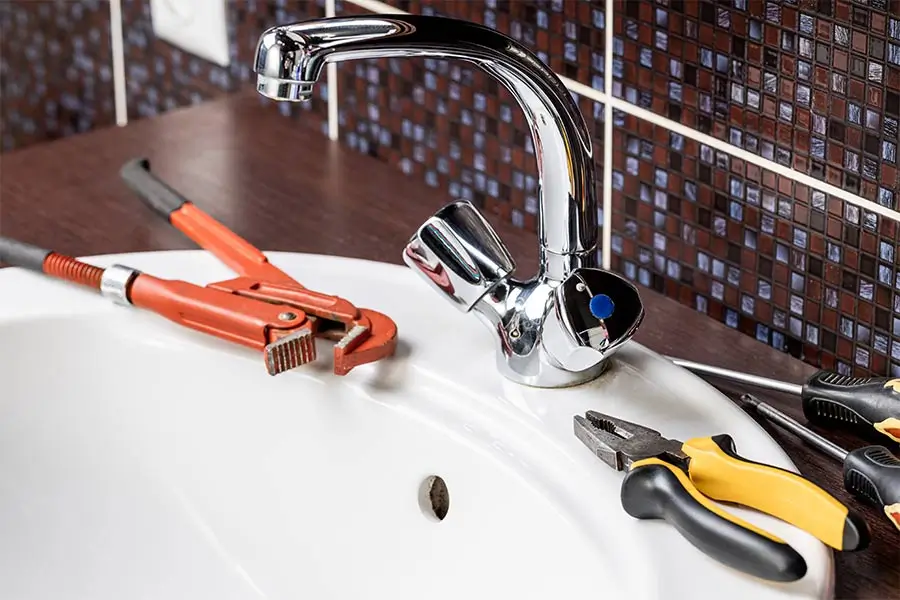
Faucet troubles can be a real nuisance, but they often come with straightforward fixes. Whether it’s a steady drip or a sudden drop in water pressure, you don’t have to let these issues linger. You’ll want to start by identifying the problem and checking for common culprits. Let’s explore some practical solutions that could save you time and money while ensuring your faucets function smoothly again.
Identifying Leaky Faucets and Their Causes
When you notice a leaky faucet, it can be more than just an annoyance; it often signals underlying issues that need attention. Identifying the cause of that drip is essential for preventing further damage and costly repairs.
Start by checking the faucet handle and body for any visible signs of wear or damage. Often, a worn-out washer or O-ring is the culprit, causing water to escape.
Next, inspect the connections and plumbing beneath the sink. Loose fittings or corroded pipes might lead to leaks that mimic a faucet problem.
Don’t forget to evaluate the water pressure; excessive pressure can strain your faucet and lead to leaks. Additionally, it may be beneficial to consider cost-effective solutions that prioritize long-term fixes for persistent faucet issues.
How to Repair a Dripping Faucet
If you’ve pinpointed the source of that annoying drip, it’s time to tackle the repair. First, gather your tools: a wrench, screwdriver, and replacement parts.
Turn off the water supply to avoid any surprises. Next, remove the faucet handle by loosening the screw, then lift it off. Depending on your faucet type, you may need to unscrew a retaining nut to access the cartridge or washer.
Inspect the parts for wear and tear. If the washer or O-ring looks damaged, replace it. For cartridge faucets, consider swapping out the entire cartridge.
Once you’ve replaced the faulty components, reassemble the faucet in reverse order, making sure everything is tight but not overly so.
Finally, turn the water supply back on and test for leaks. If you’re still facing issues, it might be time to call in professionals like BCI Plumbing, Heating and Air for expert assistance, as they offer 24/7 emergency services to ensure your plumbing problems are addressed promptly.
Fixing Low Water Pressure Issues
Low water pressure can be frustrating, especially when you’re trying to enjoy a revitalizing shower or wash dishes efficiently.
First, check if the problem is isolated to one faucet or affects the whole house. If it’s just one faucet, start by removing the aerator. Clean any sediment that might be blocking the water flow.
If that doesn’t solve it, check the supply lines for kinks or leaks. Next, inspect the shut-off valves under the sink; they mightn’t be fully open.
If the issue persists, you may have a more significant plumbing problem, like a pipe obstruction. In that case, it’s best to contact a professional for expert water leak detection services.
Addressing Noisy Faucets and Their Solutions
A sudden noise from your faucet can be annoying and may signal an underlying issue. Common culprits include loose parts, air in the pipes, or high water pressure.
First, check for loose screws or fittings around the faucet. Tightening these can often eliminate rattling sounds. If it’s a hissing or whistling noise, it might indicate air in the pipes. To resolve this, run all your faucets for a few minutes to clear the air.
High water pressure can also cause noisy faucets. Invest in a pressure gauge to measure your home’s water pressure. Ideally, it should be between 40-60 psi. If it’s too high, consider installing a pressure-reducing valve. Additionally, if you encounter persistent issues with your faucet, you may want to contact a professional for expert toilet repair and installation services.
Finally, if you hear a banging sound when you turn off the faucet, it’s likely water hammer. Installing water hammer arrestors can help absorb the shock and eliminate the noise.
Addressing these issues can restore peace in your home!
When to Call a Professional for Faucet Repairs
Wondering when it’s time to call a professional for faucet repairs? If you’ve tried fixing leaks or annoying drips and nothing’s changed, it might be time to reach out for help.
Also, if you notice low water pressure or inconsistent temperature changes, these issues can signal underlying problems that require expertise.
Don’t ignore signs of corrosion or mold around your faucet, as they can indicate serious plumbing concerns. If your faucet’s still noisy after addressing the issue, a pro can pinpoint the cause.
Additionally, consulting a plumber guarantees you choose the right fixture for your needs if you’re considering a complete faucet replacement or upgrade.
With all the plumbing options available, you want to make certain your home stays safe and functional. Trusting an experienced professional can save you time, money, and hassle in the long run.

Conclusion
In the grand symphony of home maintenance, tackling faucet issues might seem like a mere note, but ignoring them could lead to a cacophony of chaos! By fixing leaks, boosting pressure, and silencing those pesky noises, you’re not just a homeowner—you’re a plumbing superhero! Remember, even the mightiest heroes sometimes need help, so if you find yourself overwhelmed, don’t hesitate to call a pro. After all, every faucet deserves a little TLC to keep the harmony flowing!