
Key Points
- Denton’s location near the Trinity River increases flood and hidden leak risk for local homes
- Just one inch of standing water can cause tens of thousands of dollars in damage
- Professional plumbers use pressure testing, video inspection, thermal imaging, and acoustic detection to find leaks without unnecessary demolition
- Early detection prevents mold growth, structural damage, and rising water bills
- BCI Plumbing, Heating, and AC Repair offers professional leak detection throughout Denton and surrounding areas
Denton sits on the flat plains of North Texas, right next to the Trinity River. Neighborhoods near the river and low-lying areas around Loop 288 see a higher risk of flooding, which increases the chance of hidden leaks developing inside walls, foundations, and crawl spaces.
Even a small amount of standing water can cause significant damage. According to FEMA, just one inch of floodwater in a home can result in tens of thousands of dollars in repair costs. With heavy seasonal rains common across the Dallas-Fort Worth area, catching leaks early is one of the best ways homeowners can avoid costly repairs down the line.
So how does a plumber actually find a hidden leak? In our service calls throughout Denton, we rely on a combination of visual inspection and specialized detection equipment to locate problems fast, often before homeowners notice any visible damage.
Signs of a Hidden Leak Homeowners Often Miss
Working in homes across Denton, we’ve found that most hidden leaks go unnoticed until the damage is already extensive. Watch for these warning signs:
- Unexplained spikes in your water bill
- Musty odors or mold growth on walls, ceilings, or floors
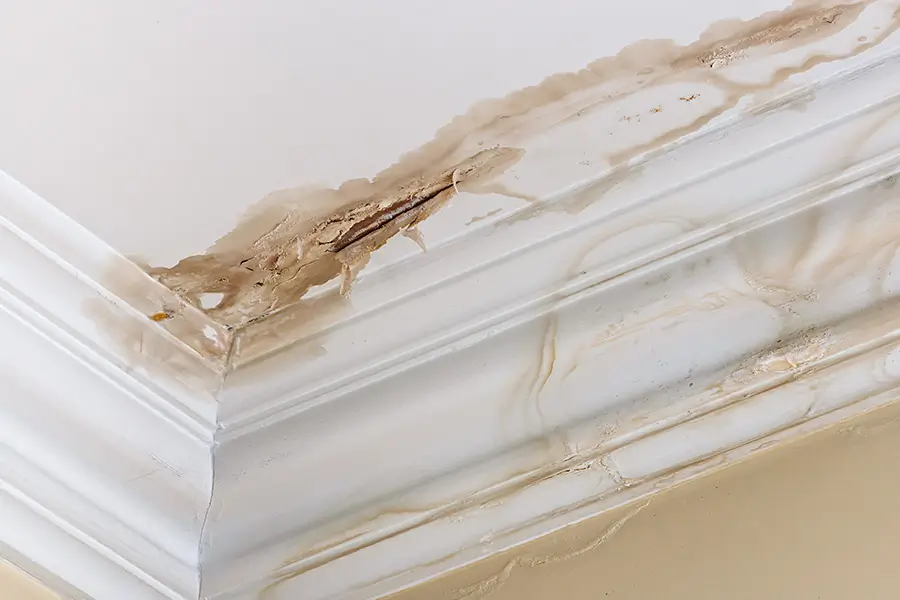
- Wet or discolored drywall, peeling paint, or warped flooring
- Running or dripping sounds behind walls
- Foundation cracks or unexplained wet spots in the yard
If you notice any of these signs, it’s worth having a licensed plumber inspect your plumbing system before the issue spreads further.
How Professional Plumbers Locate Hidden Leaks
Finding a hidden leak takes specialized tools and years of field experience. A trained plumber knows which method fits each situation, and most jobs require more than one technique to confirm the exact location of the problem.
We typically start with a visual inspection, checking pipes, fixtures, and appliances for staining, corrosion, or moisture. From there, pressure testing helps isolate sections of the plumbing system. If pressure drops after a section is isolated, that’s a strong indicator of a leak somewhere in that line.
For leaks that aren’t visible from the surface, we use video pipe inspection, sending a waterproof camera through the line to check for cracks, blockages, or damage without tearing into walls or flooring. Thermal imaging cameras help detect temperature changes caused by leaking hot water lines behind walls or under floors, and acoustic equipment can amplify the sound of escaping water in hard-to-reach spots like beneath concrete slabs.
Specialized Detection for Underground and Fixture Leaks
Based on what we see in Denton properties, underground leaks require a different approach. Soil probes help identify excess moisture around buried water lines, which is often the first sign of a leak affecting the foundation.
For toilets, pools, or irrigation systems, dye testing offers a simple and effective way to confirm a leak. Adding colored dye to standing water reveals exactly where it’s escaping, which helps our technicians target repairs without unnecessary guesswork.
Left unaddressed, hidden moisture behind walls or under flooring can lead to mold growth that affects indoor air quality. The EPA notes that controlling moisture is the most effective way to prevent mold in the home, which is one more reason early leak detection matters.
Protecting Your Denton Home From Hidden Water Damage
Denton’s flood-prone location near the Trinity River means hidden leaks can develop quickly and go unnoticed until they’ve caused real damage. Catching them early protects your foundation, your walls, and your utility bills.
If you suspect a hidden leak or simply want peace of mind, our team can perform a thorough inspection using advanced leak detection equipment built for exactly these situations. Schedule your service today and let our technicians find the problem before it spreads.
Frequently Asked Questions
How long does professional leak detection take?
Most inspections take one to two hours, depending on the size of the home and the suspected leak location.
Can a hidden leak really cause foundation damage?
Yes. Prolonged moisture around a foundation can lead to shifting, cracking, and long-term structural issues.
Is leak detection equipment damaging to walls or floors?
No. Tools like thermal imaging and acoustic detection locate leaks without cutting into your home.
How often should Denton homeowners check for hidden leaks?
An annual plumbing inspection is a good baseline, especially after heavy rain seasons.
What should I do if I suspect a leak but see no visible damage?
Contact a licensed plumber right away. Early detection is far less costly than repairing extensive water damage later.