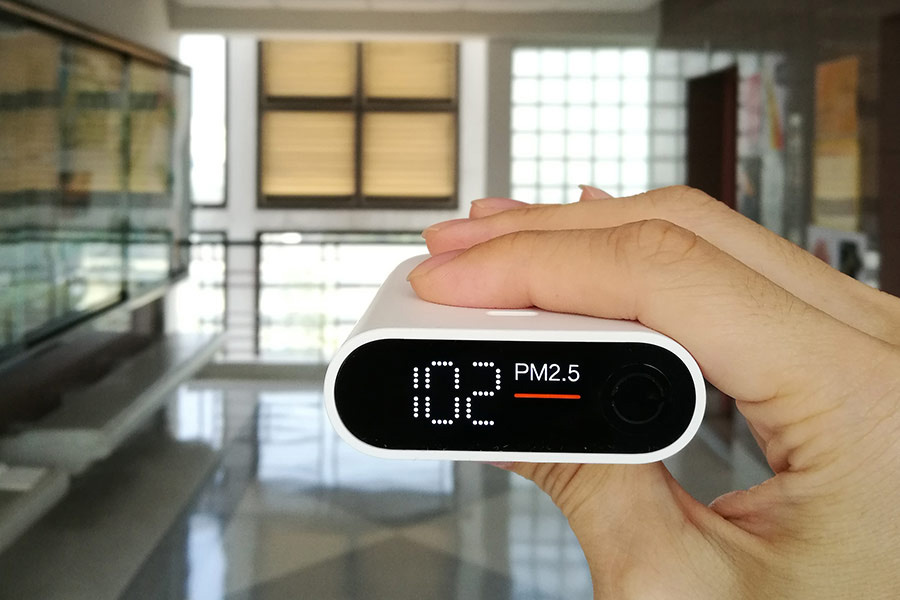
If you’re looking to improve the indoor air quality in your Corinth, TX home, ductwork repair is essential. Over time, your ducts can develop issues that affect airflow and increase dust levels. Recognizing the importance of proper duct maintenance is vital. But how can you tell if your ducts need attention? Let’s investigate some common signs of ductwork problems that might be affecting your home’s air quality.
Understanding the Importance of Ductwork in Indoor Air Quality
When you consider your home’s indoor air quality, don’t overlook the ductwork, as it plays a crucial role in how clean and comfortable your air feels. Properly functioning ductwork guarantees that heated or cooled air circulates evenly throughout your space, maintaining a consistent temperature.
If the ducts are blocked or leaking, you might notice uneven heating or cooling, making your home feel uncomfortable.
Additionally, ductwork can harbor dust, allergens, and contaminants, which can affect your health. Keeping your ducts clean and well-maintained can greatly reduce these risks, promoting a healthier environment for you and your family. Regular inspections and cleaning can help maximize airflow and efficiency, ultimately enhancing your HVAC system’s performance. Moreover, regular cleaning is recommended every 3-5 years to ensure optimal air quality and system efficiency.
Common Signs of Ductwork Issues
Maintaining clean and well-functioning ductwork is crucial for your home’s air quality, but how can you tell if there are issues? Look for these common signs.
First, notice any strange odors coming from your vents; musty or moldy smells can indicate trapped moisture or debris.
Second, if you experience uneven temperatures in different rooms, it might be a sign of blocked or damaged ducts.
Third, increased dust around your home suggests that your ductwork might be leaking, allowing dust and allergens to circulate.
You should additionally pay attention to your energy bills; a sudden spike could mean your HVAC system is working harder because of duct issues.
Finally, listen for unusual noises, like rattling or whistling, which often signal loose or damaged components. Sealing leaks to enhance energy efficiency can also prevent these problems from worsening.
If you notice any of these signs, it’s time to reflect on a thorough inspection and potential repair.
Steps for Proper Ductwork Inspection
To guarantee your ductwork is in good shape, start by conducting a thorough visual inspection. This simple step can identify potential issues before they escalate.
Follow these steps for an effective inspection:
- Check for visible damage: Look for dents, holes, or disconnected sections that could affect airflow.
- Inspect insulation: Ascertain insulation is intact and properly installed to prevent energy loss.
- Examine seals and joints: Check for gaps or loose connections that may allow air leakage, compromising efficiency.
- Look for dust and debris: Accumulation inside ducts can indicate a need for cleaning and affect your indoor air quality. Additionally, addressing these issues can lead to improved indoor air quality, which is crucial for overall well-being.
Repair Techniques for Ductwork Problems
Though ductwork issues can be frustrating, knowing the right repair techniques can make all the difference in restoring your system’s efficiency.
Start by sealing any leaks with mastic sealant or metal tape, guaranteeing air flows correctly. If you encounter disconnected ducts, reattach them securely, using screws or duct tape to prevent future disconnections.
In cases of damaged duct sections, you might need to cut out the damaged piece and replace it with a new section, connecting it with appropriate connectors.
Don’t forget to insulate exposed ducts to prevent energy loss, especially in unconditioned spaces. If your ducts are cluttered with dust or debris, clean them with a vacuum designed for ductwork.
Finally, always check for proper airflow after repairs. By using these techniques, you can markedly improve your indoor air quality and guarantee your HVAC system operates efficiently. Regular maintenance can also help avoid unexpected breakdowns, ensuring long-term performance of your HVAC system.
When to Call a Professional for Ductwork Repair
When your ductwork shows signs of significant damage or if you’re experiencing persistent airflow issues, it’s time to call a professional. Ignoring these problems can lead to decreased indoor air quality and increased energy bills.
Here are four signs that indicate you need expert help:
- Visible Damage: If you see holes, cracks, or disconnected sections in your ducts, don’t hesitate to reach out for repairs.
- Inconsistent Temperatures: Rooms that are too hot or too cold can signal airflow problems that require a professional assessment.
- Unusual Noises: Banging or hissing sounds coming from your ducts might indicate a serious issue that needs immediate attention.
- Increased Allergens: A rise in dust, mold, or allergens in your home can suggest that your ductwork is compromised.
Conclusion
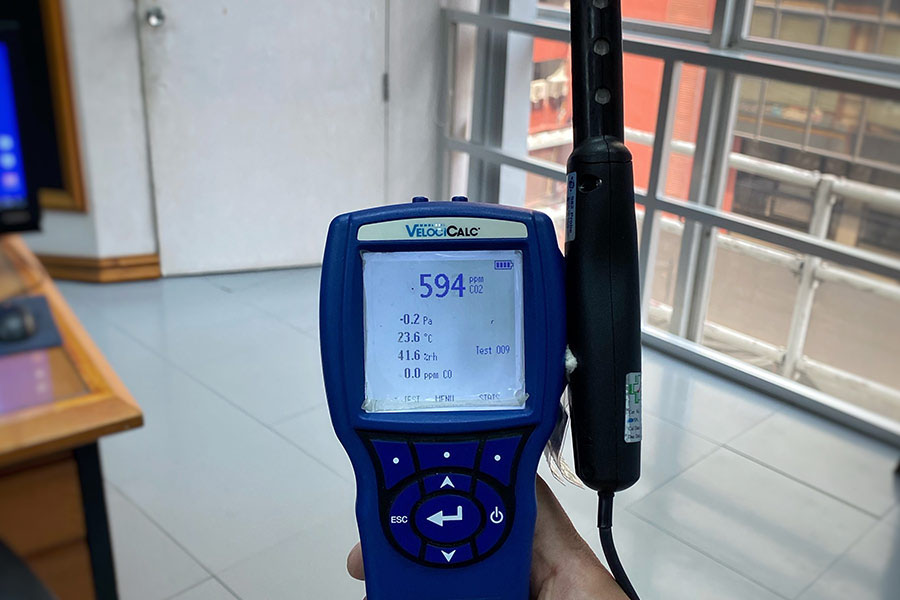
By prioritizing ductwork repair and maintenance, you can breathe easier in your home, just as a clear sky brings a sense of calm. Regular inspections and timely repairs not only improve airflow but likewise elevate overall indoor air quality. If you notice any signs of trouble, don’t hesitate to seek professional help. Taking these steps guarantees your home remains a healthy sanctuary for you and your loved ones, free from dust and discomfort.