

Before AC installation in Denton, homeowners should understand seven factors: the age of the current system, correct sizing from a load calculation, ductwork condition, SEER2 efficiency ratings, permits and code compliance, indoor air quality options, and the maintenance plan after installation. Getting these right determines comfort, energy bills, and how long the new system lasts.
Replacing or installing a new air conditioning system is one of the biggest home comfort investments a Denton homeowner can make. Summer temperatures regularly climb into the upper 90s, and the humidity makes even a short walk to the mailbox feel like a workout, so a properly sized and professionally installed AC system is essential. Whether you are replacing an aging unit in an older home or upgrading the system in a newer build off Loop 288, our Denton air conditioning services walk you through every step, from equipment selection to final testing.
Key Takeaways
- ENERGY STAR suggests considering replacement when a central air conditioner is more than 10 years old.
- A Manual J load calculation sizes a new AC correctly so it cools and dehumidifies without short cycling.
- Leaky ductwork can erase the efficiency gains of a new high-SEER2 system in a Denton home.
- New split-system air conditioners installed in Texas must meet federal SEER2 minimum efficiency standards.
- AC installation and replacement require proper permits, and unpermitted work can cause problems when selling a home.
1. The Age of Your Current System Matters
The age of your current air conditioner is the first clue to whether replacement makes more sense than another repair. ENERGY STAR recommends considering a replacement once a central air conditioner is more than 10 years old, since older units lose efficiency and become more expensive to keep running.
In our service calls throughout Denton, we often find homeowners holding onto systems well past their prime, spending more on repeated repairs than a replacement would have cost. Our technicians generally recommend full replacement when a system is over 12 years old, breaks down frequently, or struggles to cool the home evenly.
These signs usually mean replacement is the smarter financial decision:
- Rising repair frequency: The system needs service more than once a season, and each repair costs more than the last.
- Uneven cooling: Some rooms stay warm while others feel fine, even after filters and vents are checked.
- Climbing energy bills: Utility costs rise each summer without any change in how the home is used.
- Older refrigerant: Systems that use R-22, a refrigerant no longer produced in the United States, are expensive to recharge when they leak.
2. Sizing Is More Important Than Most People Realize
Correct sizing means matching the air conditioner’s capacity to the actual cooling load of your home, and bigger is not better. An oversized unit cools the air too quickly without removing enough humidity, which leaves the home feeling cold and clammy. An undersized unit runs constantly without ever catching up, especially during Denton’s peak summer heat.
Proper sizing requires a Manual J load calculation. A Manual J load calculation is an industry-standard method that accounts for square footage, ceiling height, insulation levels, window placement, and sun exposure to determine how much cooling a home needs.
Working in homes across Denton, we consistently find that systems installed without this calculation end up underperforming regardless of brand or price point. A rule-of-thumb estimate based on square footage alone often leads to the wrong size, particularly in homes that have added insulation, new windows, or room additions since the original system went in.
3. Your Ductwork Deserves Attention Before Installation
Ductwork is the network of supply and return ducts that carries cooled air from the system to each room, and its condition directly affects how well a new air conditioner performs. Installing a new, high-efficiency air conditioner on an old or deteriorating duct system is like putting new tires on a car with a broken axle.
Leaks, crushed sections, and disconnected joints let cooled air escape into the attic before it ever reaches the living space. The new equipment underperforms, and the efficiency gains you paid for disappear through gaps in the ductwork.
Before your new system goes in, it is worth having the ducts inspected and, if necessary, sealed or modified. Our ductwork repair and modification services make sure your new system has the support it needs to operate at its full potential.
4. SEER2 Ratings Affect Your Long-Term Energy Costs
SEER2 is the current federal rating that measures how efficiently an air conditioner uses electricity over a typical cooling season. SEER2 replaced the older Seasonal Energy Efficiency Ratio (SEER) rating in 2023 and uses test conditions that better reflect real-world ductwork and airflow. The higher the SEER2 rating, the less energy the unit uses for the same cooling output.
In Denton’s climate, where systems run hard from late spring through early fall, choosing a higher-efficiency unit makes a measurable difference in monthly utility bills. While higher SEER2 equipment typically costs more upfront, the long-term savings often justify the investment, particularly for homeowners who plan to stay in their homes for several years.
SEER2 Minimums and Newer Refrigerants
Texas is part of the Southeast region under federal efficiency rules, which set a higher minimum than northern states. According to AHRI’s summary of the federal standards, split-system air conditioners installed in the Southeast since January 1, 2023 must reach at least 14.3 SEER2 below 45,000 BTU per hour and 13.8 SEER2 at 45,000 BTU per hour and above.
The refrigerants used in new equipment are changing as well. Manufacturers are bringing out lower global warming potential refrigerants such as R-454B and R-32, which use different components and service practices than older R-410A systems. Ask your installer which refrigerant the new system uses and confirm the technicians are trained on it.
Homeowners should also plan around current incentives rather than older ones. The IRS notes that the federal Energy Efficient Home Improvement Credit applied to qualifying improvements made through December 31, 2025, so check current utility rebates and manufacturer promotions instead.
5. Permits and Code Compliance Are Not Optional
AC installation and replacement in Denton, TX, requires proper permits and must meet current building codes and equipment standards. Permits are not just paperwork. They protect you as a homeowner by making sure the work is inspected and meets safety requirements.
Working with a licensed HVAC contractor means permits are pulled correctly and the installation is done to code. If you ever sell your home, unpermitted HVAC work can become a serious issue during the buyer’s inspection. Always confirm that your contractor handles permitting as part of the job, and ask to see the permit before work begins.
6. Indoor Air Quality Should Be Part of the Conversation
A new AC installation is the ideal time to improve indoor air quality, because the system you choose controls how air is filtered, ventilated, and dehumidified throughout the home. Based on what we see in Denton properties, many homeowners do not realize their HVAC system plays a central role in filtering dust, allergens, and pollutants.
When planning a replacement, ask about these upgrades so they can be built into the installation instead of added later:
- Filtration upgrades: Higher-rated media filters or whole-home air cleaners capture finer dust and allergens.
- Ventilation improvements: Fresh air ventilation brings in outdoor air in a controlled way, which helps tightly sealed newer homes.
- Humidity control: Variable-speed equipment or a whole-home dehumidifier removes more moisture during humid North Texas summers.
7. Maintenance After Installation Determines Long-Term Performance
Even the best air conditioning system declines quickly without regular professional maintenance. Scheduling annual tune-ups after installation keeps the system running efficiently, extends its lifespan, and catches small issues before they become expensive repairs.
In our experience throughout Denton and surrounding areas like Corinth and Argyle, the systems that perform consistently year after year are the ones receiving routine care. Coil cleaning, refrigerant level checks, electrical inspections, and filter changes are not optional extras. They are the foundation of reliable performance, and some manufacturers require documented maintenance to keep equipment warranties valid. Our air conditioning maintenance program is built to keep a new system in peak condition season after season.
What Affects the Cost of AC Installation in Denton
The cost of AC installation in Denton depends mostly on the equipment you choose and the condition of the home it is going into. Two homes of the same size can end up with very different quotes.
These factors have the biggest influence on the final price:
- System capacity: Larger homes and homes with high cooling loads need higher-capacity equipment.
- Efficiency level: Higher SEER2 ratings and variable-speed compressors cost more upfront but lower operating costs.
- Ductwork needs: Sealing, resizing, or replacing ducts adds to the project when existing ducts are undersized or leaking.
- Matched components: Replacing the outdoor unit, indoor coil, and air handler or furnace together costs more than a partial swap but protects efficiency and warranty coverage.
- Electrical and code updates: New disconnects, wiring, pads, or drain line work may be needed to meet current code.
A written estimate should list the equipment model numbers, SEER2 rating, and what is included, so quotes can be compared side by side. Our AC installation and replacement team provides that detail after an in-home assessment and load calculation.
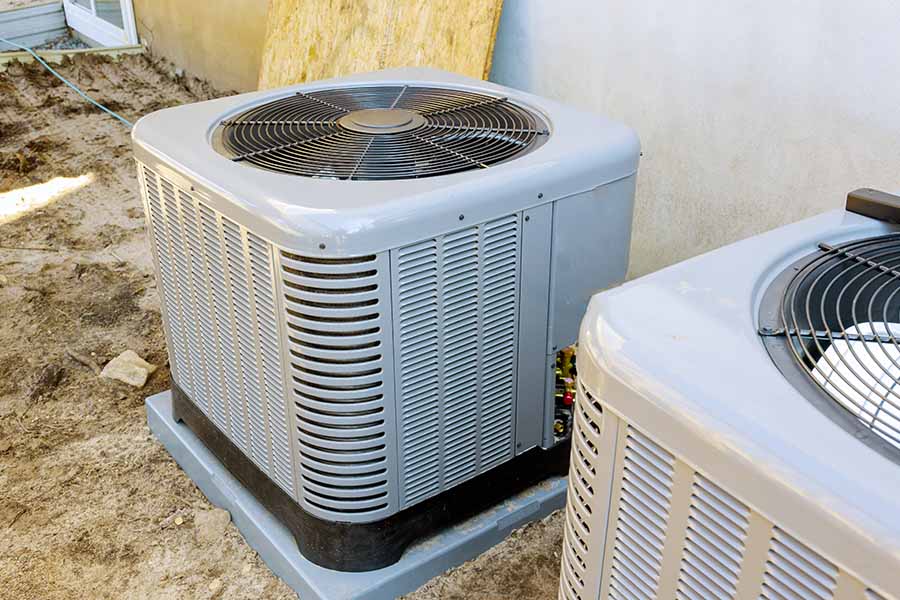
Frequently Asked Questions About AC Installation in Denton
How Long Does AC Installation Take?
Installation time depends on the scope of the project. A like-for-like replacement is a much shorter job than one that involves ductwork changes, a new air handler location, or electrical upgrades, and your installer should give you a timeline before work begins.
Should I Replace My Furnace When I Replace My AC?
Replacing both at the same time often makes sense when the furnace is a similar age. The indoor coil and air handler need to be matched to the new outdoor unit for rated efficiency, and coordinating both replacements can reduce labor compared to two separate projects.
When Is the Best Time to Replace an Air Conditioner in Denton?
Spring and fall are the best times to replace an air conditioner in Denton. Demand is lower than during summer heat waves, scheduling is more flexible, and you avoid going without cooling during the hottest weeks of the year.
Can I Install a New Outdoor Unit and Keep My Old Indoor Coil?
Keeping an old indoor coil with a new outdoor unit is usually not recommended. Mismatched components can lower efficiency below the rated SEER2, shorten equipment life, and may not work with newer refrigerants.
Making the Right AC Installation Investment for Your Denton Home
AC installation in Denton pays off when the system is correctly sized, installed to code, supported by sound ductwork, and maintained every year. The wrong approach leads to higher energy bills, more frequent breakdowns, and a system that never quite keeps up with a Denton summer.
BCI Plumbing, Heating and AC Repair brings local experience and technical expertise to every AC installation and replacement, with a commitment to doing the job right the first time. When you are ready to move forward, contact our team today to schedule a consultation and get the process started the right way.