

Ductless mini split installation gives Denton County homes efficient heating and cooling without ductwork. The six main benefits are no duct construction, lower energy loss, room-by-room temperature control, cleaner indoor air, quiet operation, and year-round heat pump performance. Mini splits are an especially strong fit for additions, older homes, and rooms a central system never cooled well.
Denton County has grown rapidly over the past two decades, and that growth has produced a diverse mix of homes. Older farmhouses and converted spaces in the rural stretches near Ponder and Krum sit alongside newer custom builds across the suburban corridors of Flower Mound and Lewisville, and each type brings its own heating and cooling challenges. Our Denton County air conditioning services include professional mini split installation and support for homeowners throughout the region, and the sections below explain where a ductless system adds the most value.
Key Takeaways
- Ductless mini splits connect an indoor air handler to an outdoor unit through a small wall opening, so no ductwork is needed.
- The U.S. Department of Energy reports duct losses can exceed 30 percent of energy used for space conditioning.
- Each indoor unit runs on its own setting, so bedrooms, offices, and bonus rooms can each hold a different temperature.
- Mini splits are heat pumps that provide both cooling for Denton County summers and heating during winter cold snaps.
- Proper installation starts with a room-by-room load calculation and careful placement of every indoor unit.
What Is a Ductless Mini Split?
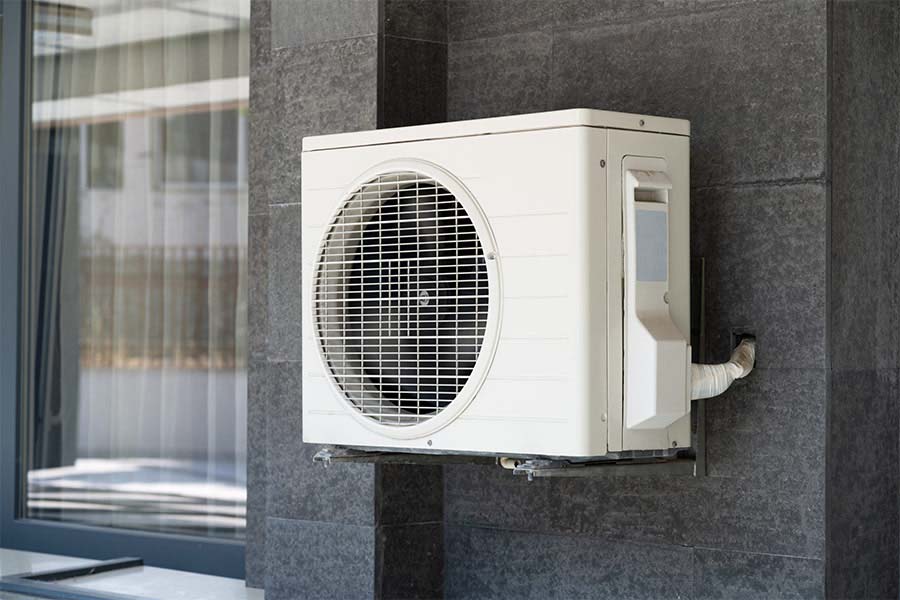
A ductless mini split is a heating and cooling system that delivers conditioned air directly into individual rooms without a network of ducts. Each system pairs an outdoor compressor unit with one or more indoor air handlers, connected by a refrigerant line set and a condensate drain.
For homes where traditional ducted systems are impractical, inefficient, or simply not present, a mini split offers a combination of flexibility, efficiency, and comfort control that conventional systems cannot always match. Understanding the specific advantages helps homeowners across Denton County decide whether a ductless system is the right fit for their property and comfort goals.
1. No Ductwork Required
A ductless mini split needs no ducts at all, which opens up installation options that simply do not exist with traditional central air systems.
For homes without existing ductwork, adding a conventional central system means a major construction project involving walls, ceilings, and significant disruption throughout the home. For older Denton County properties, historic structures, and additions or converted spaces like garages, sunrooms, and attic living areas, that kind of project is often cost-prohibitive and structurally complicated.
A ductless system requires only a small opening in the wall to connect the indoor air handler to the outdoor compressor unit. Installation is cleaner, faster, and far less invasive than retrofitting ductwork into a space that was never designed for it. Across the rural and semi-rural stretches of Denton County, where older construction is common, the lack of ductwork is frequently the factor that makes ductless the clear practical choice.
2. Improved Energy Efficiency
Ductless mini splits use less energy than many ducted systems because conditioned air goes straight into the room instead of traveling through ducts that leak and lose heat.
Traditional ducted HVAC systems lose conditioned air through duct leaks, gaps at connections, and heat transfer through duct walls in unconditioned spaces like attics and crawl spaces. According to the U.S. Department of Energy, duct losses can account for more than 30 percent of energy consumption for space conditioning, especially when ducts run through an unconditioned attic.
A mini split avoids duct loss entirely by delivering conditioned air directly into the living space. The result is a system that uses less energy to reach the same level of comfort, which shows up as lower utility bills during Denton County’s long and demanding cooling seasons.
Most modern ductless units also use inverter-driven compressors. An inverter compressor is a variable-speed compressor that adjusts its output continuously to match demand instead of cycling fully on and off. Variable-speed operation reduces energy spikes and holds more consistent temperatures with less overall power consumption.
3. Zoned Comfort Control
Zoned comfort control means each room or area with its own indoor unit can be set to its own temperature, independent of the rest of the home.
In a household where one person runs warm and another prefers a cooler bedroom, zoned control removes the compromise that comes with a single-thermostat central system. Rooms that are used only part of the time, such as a guest room or a home office used during work hours, can be conditioned only when occupied instead of running all day with the rest of the house.
Based on what we see in Denton County properties, zoned comfort is one of the most common reasons homeowners add mini splits to existing homes. Bonus rooms built over garages are a frequent example, since those rooms sit above an unconditioned space, catch heat from the roof, and are often the last stop on a long duct run from the original system.
4. Better Indoor Air Quality
Ductless systems can improve indoor air quality because there are no ducts to collect dust and contaminants between the equipment and the room.
Ductwork accumulates dust, allergens, pet dander, mold spores, and other debris over time. Every time a central system runs, air passes through that buildup before it reaches the living space, and without regular professional duct cleaning the cycle continues no matter how often the filter is changed.
A mini split sends conditioned air along a much shorter and cleaner path. Many ductless indoor units also include washable filters at the unit itself, and some models add extra filtration stages that capture fine particles.
For Denton County households with allergy sufferers, asthma, or general sensitivity to airborne contaminants, that shorter air path is a meaningful advantage. Pairing a ductless system with our indoor air quality solutions gives homeowners a more complete approach to cleaner, healthier air.
5. Quiet and Unobtrusive Operation
Ductless mini splits run noticeably quieter indoors than most central systems because the loudest components sit outside the home.
Central HVAC systems can be loud, particularly when the air handler kicks on and air rushes through supply registers. In bedrooms, home offices, and living spaces where noise matters, that sound becomes a real quality of life issue.
Mini split indoor air handlers are designed for quiet performance, with many models running at a level closer to soft background sound than to a typical central air register. The noisier components, primarily the compressor and condenser fan, are in the outdoor unit away from living areas.
Working in homes across Denton County, we consistently hear from homeowners who are surprised by how quietly their mini split runs compared to their previous central system. For light sleepers, remote workers, and anyone who spends long hours in one room, quiet operation is an underappreciated benefit that adds real daily value.
6. Heating and Cooling in a Single System
Ductless mini splits are heat pumps, which means a single piece of equipment provides both cooling in summer and heating in winter.
Denton County winters can bring cold snaps along the I-35 corridor and freezing temperatures in the northern stretches near Krum and Ponder. A mini split can deliver efficient heating through those conditions without a separate furnace for the space it serves.
Modern heat pump mini splits are built to keep heating as outdoor temperatures drop, which makes them a practical year-round solution rather than a seasonal one. For homes without existing heating, for additions being built out, or for homeowners looking to reduce dependence on gas heating, the dual-function design adds significant value to the overall investment.
When existing ductwork limits a home’s heating performance, our ductwork repair and modification services can address those deficiencies. Our team can also help you decide whether a ductless solution, a duct repair, or a combination of both best serves your home’s layout and comfort needs.
What Ductless Mini Split Installation in Denton County Involves
Professional ductless mini split installation in Denton County follows a planned sequence that matches the equipment to the home before any holes are drilled. Our ductless mini split installation process generally includes these steps:
- Load calculation: A technician measures each room and reviews insulation, windows, and sun exposure to size every indoor unit correctly.
- Placement planning: Indoor units are positioned for even airflow, and the outdoor unit is placed on a level pad with clearance for service.
- Line set and drain routing: Refrigerant lines, wiring, and the condensate drain run through a small wall opening to the outdoor unit.
- Electrical connection: The system is connected to a dedicated circuit that meets local code requirements.
- Testing and walkthrough: The system is checked under operation, and the homeowner is shown how to use the remote, set each zone, and clean the filters.
Sizing matters more with mini splits than many homeowners expect. An oversized indoor unit cools a room too quickly and shuts off before removing enough humidity, which leaves the space feeling clammy during humid North Texas summers. An undersized unit runs constantly and still struggles on the hottest afternoons.
Frequently Asked Questions About Ductless Mini Splits
How Long Does Ductless Mini Split Installation Take?
Installation time depends mainly on how many indoor units are being installed. A single-zone system serving one room is a much smaller job than a multi-zone system, and the length of the line set run and any electrical work also affect the schedule. Our team provides a timeline after the in-home assessment.
Can a Ductless Mini Split Cool an Entire Texas Home?
Yes, a multi-zone ductless system can cool an entire home when every zone is sized correctly. One outdoor unit can serve several indoor units, so each main living area gets its own air handler. Single-zone systems are usually the better fit for one problem room, an addition, or a converted garage.
Do Ductless Mini Splits Need Regular Maintenance?
Yes, ductless mini splits need routine filter cleaning and professional service to keep running efficiently. Homeowners can rinse the washable indoor filters on a regular schedule, while a technician should clean the coils, clear the condensate drain, and check refrigerant pressures. BCI also provides ductless mini split repair for systems that stop cooling or heating properly.
Where Are the Indoor Units Mounted?
Most indoor units are mounted high on an interior or exterior wall, where they can spread air evenly across the room. Ceiling cassette and floor console styles are also available for rooms where a wall unit does not fit the layout. The best location depends on furniture placement, airflow, and the route to the outdoor unit.
Choosing a Ductless Mini Split for Your Denton County Home
A ductless mini split is a flexible, efficient way to heat and cool homes or individual rooms that ductwork cannot serve well. Mini splits are not a one-size-fits-all solution, but the combination of installation versatility, energy performance, zoned control, and year-round capability makes them worth serious consideration for many Denton County homeowners.
Whether you are finishing an addition near Flower Mound, upgrading an older property in the Krum area, or solving comfort problems in a single room, BCI Plumbing, Heating and AC Repair has the local knowledge and hands-on experience to plan your ductless mini split installation in Denton County correctly. Schedule your ductless mini split consultation to find out whether a mini split is the right solution for your home.