
Four Reasons You Have Rusty Tap Water in Prosper, TX
Key Points
- Rusty tap water in Prosper is most often caused by corroded pipes, a deteriorating water heater, hard water mineral deposits, or contamination
- Prosper’s rapid growth means some properties have older galvanized plumbing that has never been updated
- Hard water is widespread across Prosper and a leading contributor to discolored water and pipe buildup
- Hot water that runs rusty while cold water stays clear almost always points to a water heater issue
- Discolored water that appears suddenly or smells unusual warrants immediate professional testing
Rusty or discolored tap water is more than an aesthetic problem — it’s a signal that something in your plumbing system needs attention. Whether the source is aging pipes, a deteriorating water heater, or Prosper’s notoriously hard water supply, the cause determines the fix. According to the U.S. Environmental Protection Agency, discolored water can result from both distribution system issues and problems within a home’s private plumbing, making professional diagnosis the most reliable starting point.
Prosper has grown rapidly over the past decade, and while much of the housing stock is relatively new, some properties — particularly in older sections near the Prosper town center and along First Street — still have plumbing infrastructure that hasn’t kept pace. Our team at BCI Mechanical works throughout Prosper, TX, and regularly diagnoses the exact issues covered below. Our Prosper plumbing services are available when your water quality raises questions that need a professional answer.
1. Corroded Pipes Are a Common Culprit in Older Prosper Homes
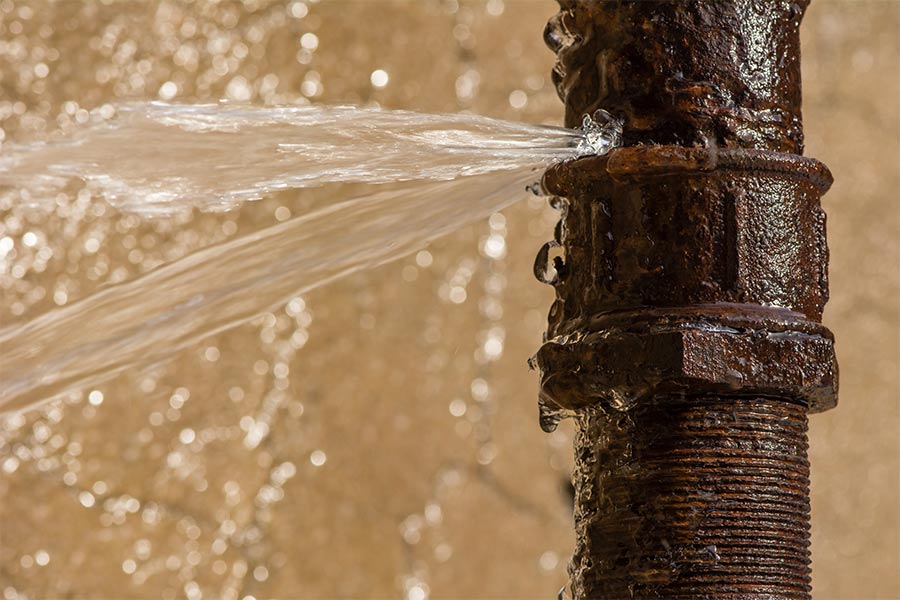
Galvanized steel plumbing was the standard in residential construction for decades, but it has a known lifespan problem. Over time, the protective zinc coating that shields galvanized pipes from corrosion wears away, leaving bare steel exposed to moisture and minerals. The result is oxidation — rust — that flakes off and mixes with your water supply, giving it a reddish or brownish tint.
While trace amounts of iron oxide aren’t considered acutely toxic, the taste and appearance are unpleasant, and the structural implications are serious. Corroded pipes develop weak points that can fail without warning, leading to leaks, water damage, and costly emergency repairs. A professional plumbing assessment using camera inspection and pressure testing can determine the condition of your pipes and whether a repiping project is the right course of action. Our pipe repair and replacement services give Prosper homeowners a clear picture of what their plumbing system needs.
2. A Deteriorating Water Heater Can Discolor Your Hot Water
Traditional tank water heaters use a component called an anode rod to protect the interior of the tank from corrosion. This sacrificial rod attracts corrosive elements so the tank itself is spared — but anode rods only last three to five years depending on water quality. Once the rod is depleted, the tank begins to corrode from the inside out, and that rust ends up in your hot water supply.
Watch for these specific signs that your water heater may be the source:
- Hot water runs rusty while cold water from the same fixture stays clear
- Rust spots, staining, or moisture visible around the base of the tank
- Rumbling or popping sounds coming from inside the unit
- Inconsistent water temperatures or noticeably reduced hot water volume
- Anode rod is visibly thin, brittle, or heavily corroded on inspection
Catching this early often means a straightforward anode rod replacement. If the tank has sustained significant interior corrosion, a full replacement is typically the more cost-effective path. Our water heater repair services cover both scenarios and include a full assessment of the tank’s condition.
3. Hard Water Mineral Deposits Are Widespread in Prosper, TX
Prosper sits in an area where groundwater naturally carries elevated concentrations of calcium, magnesium, and iron. As water moves through soil and limestone formations, it picks up these minerals — and when that water travels through your pipes and fixtures, it leaves deposits behind. According to the U.S. Geological Survey, hard water affects a significant portion of Texas municipalities, and Prosper is no exception.
Mineral-rich water produces discoloration that ranges from reddish-brown iron staining to darker manganese deposits. You may also notice:
- Chalky white or yellowish residue on faucets, showerheads, and sink basins
- Spotting or cloudiness on glassware after dishwashing
- Reduced water pressure caused by mineral buildup inside pipes
- Difficulty lathering soap or shampoo under normal water pressure
- Clothing that looks dull or feels stiff after washing
A water softener is the most effective long-term solution for hard water in Prosper. These systems use ion exchange to remove calcium and magnesium, delivering treated water to every fixture in the home. Our water softener installation services help Prosper homeowners address hard water at the source before it causes further damage to pipes and appliances.
4. Water Contamination Can Also Cause Discoloration
In some cases, discolored water points to contamination rather than a plumbing material issue. Sediment disturbances in the municipal supply, organic matter entering through a compromised pipe, or bacteria growth in a private well can all produce cloudy, brown, or off-color water. This is particularly relevant after heavy rainfall events, which are not uncommon in the Prosper area during spring storm season.
Prosper’s municipal water supply is regulated under state and federal standards set by the Texas Commission on Environmental Quality, but contamination that occurs within a home’s private plumbing falls outside municipal responsibility. If you notice discoloration accompanied by an unusual odor, sudden onset after plumbing work, or water that only affects certain fixtures, professional water testing is the appropriate first step. Depending on results, solutions may include water filtration systems, targeted pipe repairs, or a full plumbing assessment.

Clearing Up Rusty Water Starts With the Right Diagnosis
Discolored water has multiple possible causes, and the fix depends entirely on what’s driving the problem. Guessing without a proper diagnosis can mean addressing the wrong issue while the real source continues to cause damage. Our team serves homeowners throughout Prosper, TX, and brings the tools and experience needed to identify the source quickly and recommend a solution that actually resolves it. Contact our team today to schedule a plumbing assessment and get clear answers about your water quality.
Frequently Asked Questions
Is rusty tap water in Prosper, TX safe to drink?
Small amounts of iron in water are not considered acutely harmful, but rusty water often signals a plumbing or equipment issue that should be diagnosed. Until the source is identified, using filtered water for drinking is a reasonable precaution.
Why does only my hot water look rusty, not the cold?
When rust appears exclusively in hot water, the water heater is almost always the source. A deteriorating anode rod or corroding tank interior affects only the hot water supply.
How do I know if I have hard water in Prosper?
Chalky deposits on fixtures, spotty glassware, reduced lathering with soap, and discolored water are all common indicators. A water quality test provides a definitive answer.
Can rusty water damage my plumbing or appliances?
Yes. Mineral deposits and rust accelerate wear on pipes, water heaters, dishwashers, and washing machines over time. Addressing the source protects both your plumbing and your appliances.
How quickly should I act if my tap water suddenly turns brown or rusty?
Promptly. Sudden discoloration — especially with an odor — can indicate contamination or a pipe failure that needs immediate professional evaluation.